KUALA LUMPUR: The Badminton World Federation (BWF) has officially confirmed a sweeping overhaul of the BWF World Tour from 2027 to 2030, marking one of the most significant transformations in the modern era of badminton.
Among the changes drawing the most attention from Malaysian fans is the introduction of a new extended format for Super 1000 tournaments. As a result, the Malaysia Open will be expanded into an 11-day competition, spanning two weekends for the first time in its history.
The announcement comes as part of BWF’s long-term strategic vision to modernise the sport, improve global exposure, and create a more sustainable competitive environment for elite players.
Five Super 1000 Events Confirmed
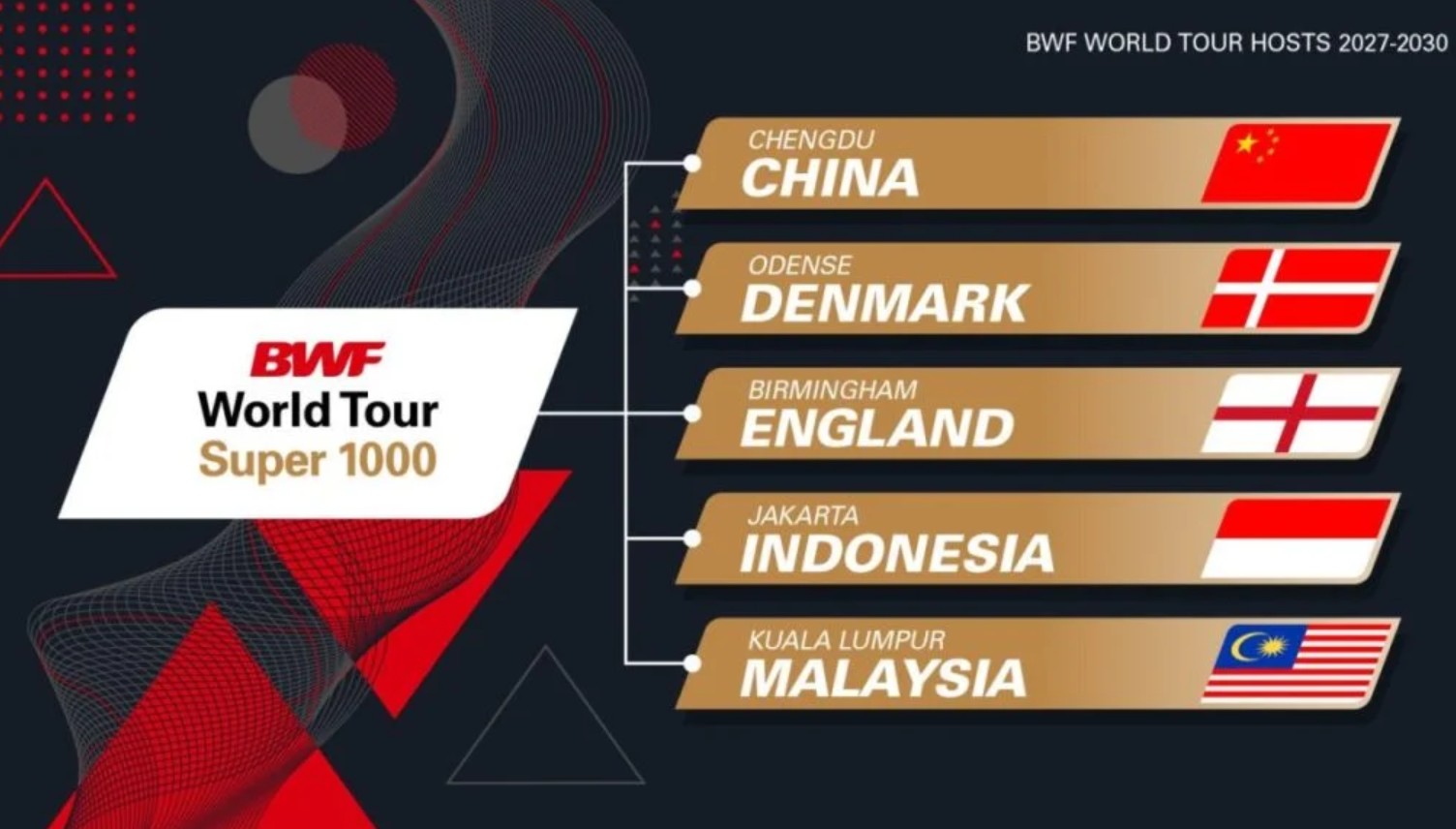
Under the new cycle, the Super 1000 tier will consist of five tournaments, hosted by China, Denmark, England, Indonesia, and Malaysia. The Denmark Open will be upgraded from Super 750 status, while the remaining four events retain their Super 1000 designation.
This confirms Malaysia’s continued position among badminton’s most prestigious hosts, with the Malaysia Open remaining firmly at the pinnacle of the World Tour calendar.
Restructured World Tour Calendar
From 2027 onwards, the BWF World Tour will be fully integrated into six unified levels, comprising a total of 36 tournaments:
- BWF World Tour Finals
- 5 Super 1000 tournaments
- 5 Super 750 tournaments
- 9 Super 500 tournaments
- 8 Super 300 tournaments
- 8 Super 100 tournaments
Notably, this marks the first time Super 100 events are formally incorporated into the World Tour framework.
Expanded Prize Money Across All Levels
BWF also confirmed substantial increases in prize money across every tournament tier:
- Super 1000: USD 2,000,000 (up from USD 1.45 million)
- Super 750: USD 1,100,000
- Super 500: USD 560,000
- Super 300: USD 290,000
- Super 100: USD 140,000
Collectively, the five Super 1000 tournaments will offer a combined annual prize pool of up to USD 26.9 million.
New Super 1000 Match Format
The revised Super 1000 format will feature 48 players in singles events, beginning with a group stage before progressing to knockout rounds. Doubles events will involve 32 pairs competing in straight knockout draws.
Each Super 1000 tournament will run for 11 days, ensuring a minimum number of matches for top players while allowing more balanced scheduling and recovery time.
All 1,095 matches across the five Super 1000 events will be broadcast globally, significantly increasing badminton’s television footprint.
Broadcast Production Doubled
From 2027, BWF will nearly double its television production output, expanding from approximately 1,410 matches per season to around 3,000 matches annually. This move is expected to enhance fan engagement and open new commercial markets worldwide.
Major Team Events Also Upgraded
The BWF World Championships will adopt a hybrid group-and-knockout format, ensuring every athlete plays at least two matches. Meanwhile, the Sudirman Cup and Thomas & Uber Cup Finals will expand their team line-ups starting in 2027.
These flagship events will be presented over a 12-day window, transforming them into two-week global badminton festivals with record-breaking broadcast coverage.
Focus on Player Welfare
BWF emphasised that the shift toward extended tournament formats is designed to support player longevity. Longer events allow for better scheduling, reduced burnout, and improved recovery between matches.
The federation stated that these changes align with its long-term commitment to helping athletes build longer, healthier, and more successful professional careers.
The revamped World Tour structure signals a bold new chapter for badminton—one that combines elite competition, enhanced visibility, and improved sustainability for players and organisers alike.